
Design-Build General Contractor Services: Streamline Your Project from Start to Finish
March 9, 2026
- By
- Liran Biton
- CEO of LB Construction & Remodeling
When you begin a home remodel, the most important foundation is a well-structured plan that guides you from the first concept sketch to the final inspection. I’m Liran Biton, CEO of LB Construction & Remodeling, and after many years working closely with homeowners, I’ve learned that the most successful projects combine design and construction within a single, coordinated process. This approach keeps pricing transparent, scheduling more reliable, and communication consistent. Homeowners often ask me how to ensure a smooth remodel or addition from start to finish, and this section is meant to serve as a practical roadmap. I’ve seen situations where people hired independent designers and contractors, only to encounter costly redesigns, miscommunication, and unexpected change orders. A better method uses fully integrated design-build general contractor services. With design and build operating together under one experienced team, every aspect – from the first permit application to the final walkthrough – follows a predictable, well-organized path. This unified system minimizes delays, prevents conflicts between trades, and maintains the homeowner’s vision without unnecessary compromise. The result is a more cohesive and cost-efficient remodeling experience that turns ideas into reality with less stress and far greater precision.
Ensuring Compliance Through Proven Design-Build Standards
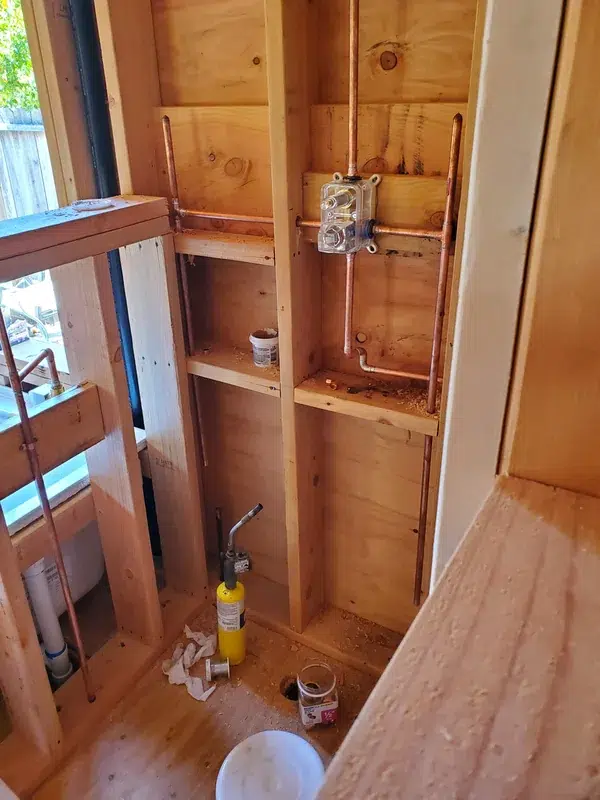
Regulations form the foundation of safe, compliant, and insurable construction. In design-build, adhering to current codes and standards ensures smooth inspections and eliminates costly redesigns. I’ve seen projects delayed simply because one document didn’t align with municipal code updates – proof that proactive compliance is not optional. Every design-build team should verify current building regulations before final site drawings are submitted. Below are primary building codes that govern most residential design-build projects:
- International Residential Code (IRC) 2025 – Section R301 – Covers structural design loads including wind and seismic. Ensures that framing, footings, and roof assemblies withstand local conditions. Consequences: failed structural inspection or safety hazards.
- International Building Code (IBC) 2025 – Section 107 – Requires accurate permit documentation and approved drawings before construction begins. Consequences: permit revocations and costly project halts.
- International Energy Conservation Code (IECC) 2025 – Mandates energy-efficient building envelopes and HVAC systems. Consequences: failed energy compliance inspections and higher utility costs.
Understanding Timelines, Budgets, and Common Setbacks
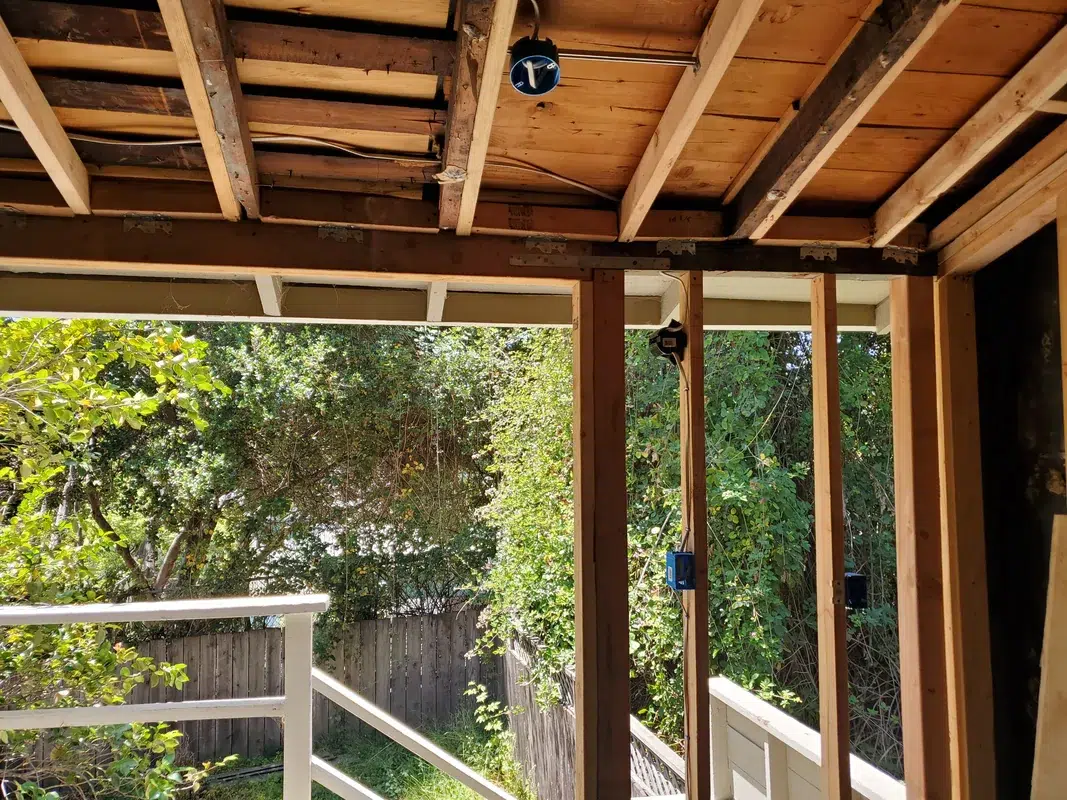
Design-build integrates budget management early, but even within this streamlined system, challenges arise. During one remodel, a client requested mid-project layout changes that meant moving existing plumbing under a structural beam. Because our design and construction teams were synced, we re-engineered the layout without major delays – something far harder if handled separately. Budget control begins with clear allowances and escalation contingencies. Typical residential design-build projects may range from moderate renovations at $100 – $200 per square foot to complex additions reaching $350 – $500 per square foot. Costs fluctuate based on three primary factors:
- Site complexity and existing structural conditions
- Material and finish selections
- Scope expansion after design approval
Book a Design-Build Consultation
Planning a new construction or remodeling project is a big investment, and every decision counts. With LB Construction & Remodeling, you gain a single dedicated partner who manages your project from concept to completion, saving you time, money, and stress. Our experienced design-build team takes full responsibility for every phase, coordinating architects, engineers, and skilled craftsmen with precision and clear communication. This integrated approach minimizes delays, prevents costly surprises, and ensures your vision is built exactly as planned. From permit submission to final inspection, we handle every detail so you can focus on the outcome. Contact us today to schedule your complimentary design-build consultation and discover how our proven process delivers exceptional results faster. Your dream project starts today – don’t wait.
FAQs
What are design-build general contractor services?
Design-build general contractor services bring together the design and construction phases within a single contract managed by one coordinated team. This approach eliminates the need for separate architects, engineers, and builders, creating a seamless experience from concept to completion. By integrating all disciplines under one roof, communication improves dramatically, potential conflicts are resolved early, and cost estimates are more precise since the design evolves alongside budgeting and scheduling. A design-build contractor oversees every key stage, including architectural planning, structural engineering, permit acquisition, material procurement, and on-site construction activities. For homeowners and property developers, this model translates into fewer unexpected changes, faster project timelines, and a single point of accountability for results. Whether for residential remodels, new home construction, or commercial projects, the design-build process transforms a traditionally segmented workflow into a unified, efficient strategy that promotes quality, transparency, and predictable outcomes.
How does a design-build process differ from traditional construction?
Traditional residential construction usually separates the design phase from the building phase, which can create inefficiencies and frustration for homeowners. In that process, a homeowner first hires an architect or designer to develop detailed plans, then solicits bids from multiple contractors to execute the work. Because the architect and builder operate independently, miscommunication and pricing inconsistencies often arise. The result can be unexpected cost overruns, delays, or the need for extensive redesign once construction has already begun. The design-build model solves these issues by bringing design and construction under a single, unified team. From the earliest concept discussions through final completion, one group manages both creative and technical aspects of the project. During preconstruction, builders provide real-time cost feedback, helping homeowners make design choices that align with the established budget and schedule. This collaboration improves accuracy, strengthens accountability, and ensures that aesthetic goals and financial realities stay in harmony. Additionally, change management becomes more efficient since design revisions and field coordination occur within the same team structure. The streamlined communication reduces disputes, minimizes downtime, and ultimately shortens the overall project timeline while maintaining quality and transparency.
What does a typical design-build project cost and how long does it take?
Design-build project costs can differ widely depending on the size, complexity, and level of finishing desired. In general, smaller interior remodels often begin around $100 – $200 per square foot, while more elaborate custom homes or high-end additions can range from $350 – $500 per square foot or more. The timeline for completion typically spans four to twelve months, though large or highly customized designs may take longer. Several primary factors influence overall pricing:
- Complexity and accessibility of the construction site
- Market conditions affecting material costs and availability
- Scope, layout, and custom design elements requested by the client
Can homeowners handle some design-build work themselves?
Homeowners play an important role in shaping the overall design vision of their project, and their input on materials, colors, finishes, and layout preferences adds immense value to the final result. However, once planning is complete, professional coordination becomes essential for design-build execution. While certain do-it-yourself activities such as basic painting, light fixture selection, or minor hardware installation can be handled by homeowners, complex work involving structure, electrical systems, or plumbing requires trained experts. These elements must adhere to building codes, safety regulations, and local permit standards. Ignoring such requirements can lead to costly delays, failed inspections, or even structural issues over time. By allowing qualified professionals to oversee technical and regulatory components, homeowners can concentrate on comfort, aesthetics, and functionality. This partnership ensures that every detail aligns seamlessly, resulting in a cohesive, high-quality finished home.
What warning signs suggest a project lacks proper design-build planning?
The most telling signs of poor coordination between design and construction teams include inconsistent drawings, sudden cost adjustments, and recurring communication failures between the architect and contractor. Additional red flags are incomplete permit submissions, missing specifications, or vague scope documents that leave project expectations unclear. When these issues appear, it often means the design and construction phases have been managed separately instead of as an integrated process. A well-structured design-build approach helps prevent such challenges by ensuring that drawings match specifications, every allowance and material cost is itemized, and progress schedules are updated before any materials are purchased. Homeowners should remain alert for repeated scope changes that lack written change orders or schedule revisions. At that point, they should request a full coordination review to protect budgets, preserve timelines, and maintain accountability throughout the project.
What common problems occur in design-build construction?
Common issues in construction and design projects often involve scope drift, inaccurate timeline estimates caused by supply interruptions, and miscommunication between engineering consultants handling separate aspects of the build. These challenges tend to arise more often when multiple firms or independent contractors divide responsibilities without a unified management structure. When one integrated team oversees every project phase, from conceptual design to final construction, these problems decrease dramatically. Coordination tools with shared access allow all parties to monitor progress in real time, while integrated scheduling software identifies potential conflicts early. Regular design reviews that include mechanical, structural, and electrical engineers help align systems such as HVAC, framing, and wiring before installation begins. This proactive collaboration defines a true design-build approach, minimizing costly rework, preserving accountability, and maintaining consistent documentation throughout every stage of the project.
How should homeowners evaluate a design-build contractor?
When selecting a design-build contractor, homeowners should carefully verify each candidate’s qualifications and professional reliability. Begin by confirming the contractor’s licensing and current liability insurance, as these protect you from potential legal and financial issues during construction. Request a list of recent client references and contact them directly to discuss communication quality, timeliness, and the contractor’s ability to manage unexpected challenges. Ask to review detailed project portfolios that include both preliminary design concepts and photographs or digital renderings of completed builds. A reputable design-build professional will explain their preconstruction process, including design revisions, material selections, and a clear breakdown of estimated costs. Look for transparent scheduling tools that connect design milestones with planned construction phases. Membership or certification through organizations such as the Design-Build Institute of America (DBIA) demonstrates a strong commitment to recognized industry standards. Finally, ensure the contractor coordinates all necessary permitting, code compliance, and inspections, minimizing delays and guaranteeing that design intent aligns with the final structure.
What should I do if I face delays during a design-build project?
When a construction or renovation project begins to slow down, the first step is to identify the root cause of the delay. Determine whether the issue stems from pending permits, weather interruptions, late material deliveries, or design revisions that need client input. Always communicate through your project manager instead of reaching out to several subcontractors, since this ensures that all information is tracked and consistent. Most design-build projects include contingency time within their schedules to accommodate minor setbacks, so adjustments can be made without derailing the entire timeline. Homeowners should maintain detailed records of every schedule change, along with written confirmation for any budget or scope modifications. If delays continue to create uncertainty, request a coordination meeting to reassess priorities, reset milestone dates, and confirm that all trades are prepared to restart as soon as interrelated tasks are complete.