
Kitchen Remodel Financing Options in Belmont CA: What Homeowners Need to Know
May 28, 2026
- By
- LB Construction
- General Contractor
A Belmont homeowner recently told us their kitchen remodel stalled halfway through demolition because their financing fell apart. Cabinets were delayed, permits were active, and the lender changed terms at the last minute. At LB Construction, we’ve been guiding clients through kitchen remodel financing options in Belmont CA for years of experience, and we’ve seen how early financing decisions can determine whether a project runs smoothly or turns into a financial strain. We regularly coordinate scope, lender requirements, and realistic budgets before the first cabinet is ordered. The biggest mistake we see is assuming any loan will “figure itself out.” One family in Belmont underestimated permit costs and seismic upgrade requirements, and their credit line maxed out before inspections. Understanding your financing structure is just as critical as choosing materials. If you’re still shaping your project scope, start with our kitchen remodeling guide to align your design and budget.
How Local Codes Directly Impact Your Remodel Budget
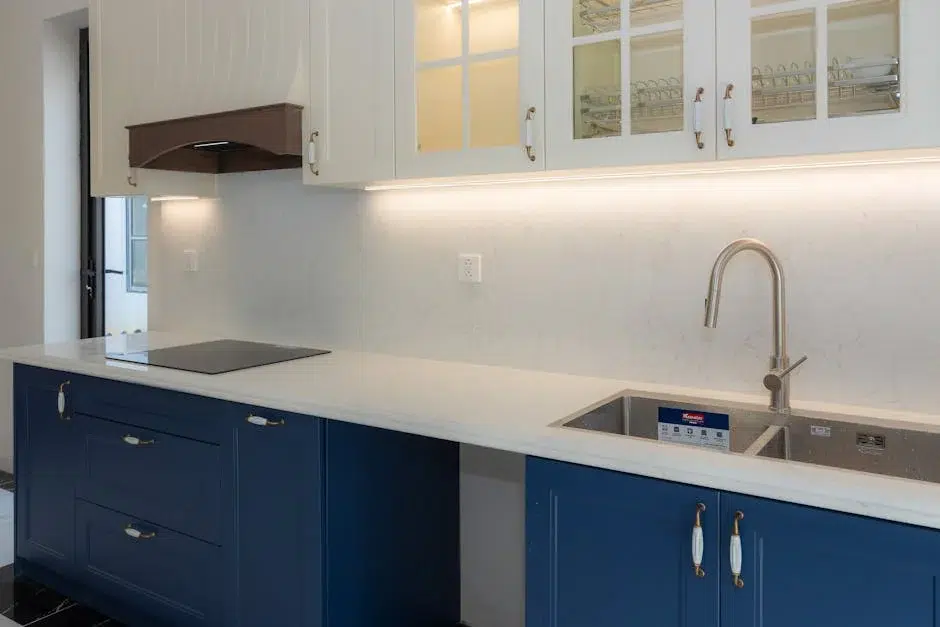
Belmont sits in a high seismic zone, and most kitchens here involve structural, electrical, or energy-efficiency updates. Local inspectors enforce California’s adopted building standards strictly, and lenders often require proof of permits before releasing construction draws. Financing without accounting for these codes can leave homeowners underfunded mid-project.
- 2022 California Building Standards Code (Title 24, Part 2 – California Building Code) – Governs structural modifications such as removing load-bearing walls and seismic bracing. Non-compliance can result in failed inspections, stop-work orders, and denied lender draw requests.
- 2022 California Energy Code (Title 24, Part 6) – Requires high-efficacy lighting, energy-efficient appliances, and in some cases updated insulation or ventilation. Ignoring this can mean redesign costs and delayed approvals.
- California Code of Regulations Title 8, Section 1529 (Lead) – Applies to pre-1978 homes. Lead-safe practices may add containment and disposal costs. Skipping compliance risks fines and health hazards.
- City of Belmont Building Division Permit Requirements – Belmont requires permits for electrical panel upgrades, plumbing relocation, and structural changes. Verify the current adopted code edition with the local building department. Unpermitted work can delay refinancing or resale.
- Permit and plan check fees.
- Inspection scheduling buffers.
- Seismic or electrical upgrades common in older Belmont homes.
- A 10 – 15% contingency fund.
Comparing HELOCs, Cash-Out Refinancing, and Contractor Payment Plans
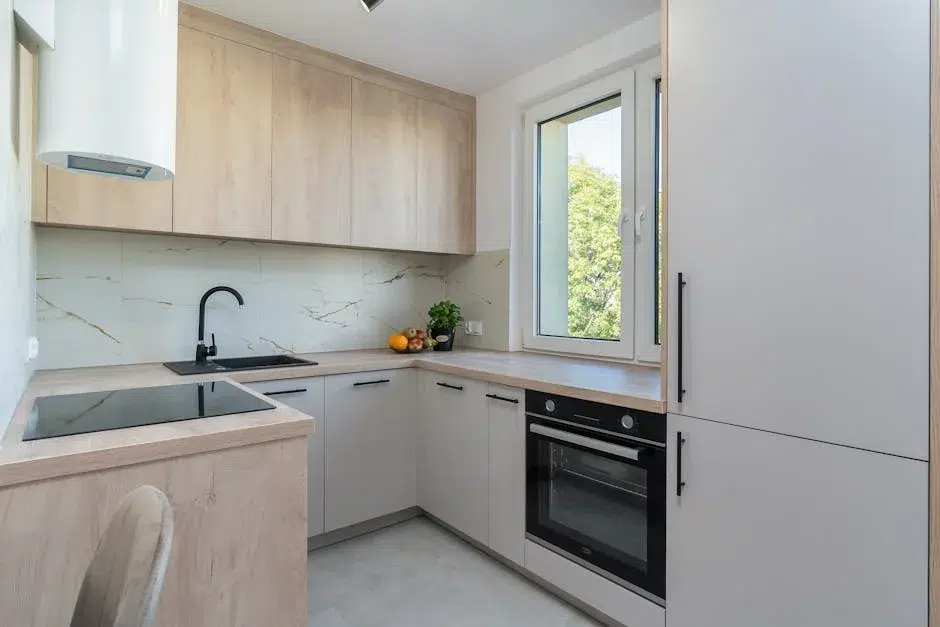
The best financing structure depends on equity position, timeline, and project scale. In Belmont, full kitchen remodels often range from moderate cabinet replacements to structural reconfigurations with steel beams and panel upgrades. Each funding method carries trade-offs. Common options include:
- HELOC: Flexible draw periods and interest-only payments initially. Rates fluctuate, so monthly payments may rise.
- Cash-out refinance: Fixed interest rate and predictable payments, but closing costs can be significant.
- Home improvement loan: Faster approval, often unsecured, but typically higher interest rates.
- Contractor payment schedule: Progress payments tied to milestones such as demolition, rough inspections, and cabinet installation.
Schedule a Kitchen Financing Review
Financing should support your remodel – not complicate it. We help homeowners structure realistic budgets, align payment schedules with inspections, and prepare lender-ready documentation that reduces delays. Whether you’re considering a HELOC, refinance, or staged payment plan, we can review your scope and identify gaps before you apply. Our team evaluates structural requirements, permit implications, and contingency planning specific to Belmont homes. The goal is simple: protect your investment and prevent mid-project funding issues. If you’re planning a kitchen remodel and want clarity before signing loan documents, we’re ready to walk through your options and outline a practical next step.
FAQs
What are the most common Kitchen Remodel Financing Options in Belmont CA?
Most Belmont homeowners use one of three options: a home equity line of credit (HELOC), a cash-out refinance, or a dedicated home improvement loan. HELOCs are popular because they allow flexible draws during construction, which aligns well with staged payments for demolition, rough inspections, and cabinet installation. Cash-out refinancing works best when interest rates are favorable and homeowners want predictable monthly payments. Unsecured improvement loans can close faster but usually carry higher rates. In Belmont, where many homes are older and may require electrical panel upgrades or seismic reinforcement, we often recommend financing that includes a contingency buffer. Lenders frequently request a detailed contract, permit documentation, and a draw schedule before releasing funds, so preparation matters just as much as the loan type itself.
Do I need financing approved before starting permits?
In most cases, yes. Belmont’s Building Division requires permit applications and associated fees before work begins, and lenders typically want proof that permits are in process before releasing construction draws. If financing is delayed after demolition starts, homeowners can face inspection deadlines without funds to continue. We advise clients to secure loan pre-approval once plans and a detailed estimate are complete. That way, the lender reviews accurate numbers rather than rough guesses. This sequence protects you from underfunding the project. It also ensures your draw schedule matches inspection milestones, such as rough electrical and final sign-off. Starting permits without confirmed financing can create cash flow gaps that stall the remodel.
How much does a kitchen remodel typically cost in Belmont, and how long does it take?
Kitchen remodels in Belmont may range from $45,000 for cosmetic upgrades to $150,000 or more for structural reconfigurations with high-end finishes. Timelines typically fall between 6 and 12 weeks depending on inspection scheduling and material lead times. Costs fluctuate based on three major factors:
- Site complexity, including load-bearing wall removal or seismic upgrades.
- Material costs such as custom cabinetry, quartzite countertops, or premium appliances.
- Total scope, including electrical panel upgrades or plumbing relocation.
Can I manage financing and the remodel process myself?
Homeowners can apply for loans independently, but managing financing alongside permits, inspections, and contractor coordination can be demanding. Lenders often require progress inspections or lien releases before issuing draw payments. If documentation is incomplete, funding can pause. We’ve seen homeowners attempt to self-manage financing for structural remodels, only to discover they needed stamped engineering plans for wall removal. The lender withheld funds until updated documents were submitted. That delay pushed the timeline back several weeks. If your remodel is cosmetic – cabinet refacing, countertop replacement, fixture upgrades – you may handle financing independently with fewer complications. For projects involving structural, electrical, or plumbing changes in Belmont, professional coordination reduces risk and helps align funding with inspection milestones.
What warning signs suggest my financing plan is too tight?
The biggest red flag is the absence of a contingency fund. In Belmont, older homes frequently reveal hidden issues such as outdated wiring, unpermitted past work, or dry rot once walls are opened. Without a 10 – 15% reserve, even minor surprises can disrupt progress. Other warning signs include:
- No line item for permit or inspection fees.
- Appliance allowances that are lower than actual market prices.
- No allocation for temporary kitchen setup during construction.
Are there common remodeling challenges specific to Belmont homes?
Yes. Many Belmont homes were built decades ago and may have outdated electrical panels, insufficient grounding, or limited circuit capacity for modern appliances like induction cooktops and double ovens. Upgrading from 100-amp to 200-amp service is common and should be factored into financing. Seismic considerations also play a role. Removing walls often requires engineered beams and proper anchoring to meet current California standards. These structural adjustments increase costs and require plan review. We also see ventilation challenges in hillside properties where duct routing is complex. Accounting for these factors early in your financing plan prevents mid-project surprises and lender complications.
What should I verify before hiring a contractor for a financed remodel?
Always confirm the contractor holds an active California contractor’s license through the Contractors State License Board (CSLB). Verify general liability insurance and workers’ compensation coverage as well. Lenders may request proof before releasing funds. Review the written contract carefully. It should include a detailed scope of work, payment schedule tied to milestones, and change order procedures. Avoid large upfront payments beyond what California law allows. Ask how the contractor handles permit documentation and lender draw requests. Coordinated paperwork ensures inspections and funding stay aligned. Transparent communication and documented processes protect both your budget and your timeline.
What should I do if my financing is delayed during construction?
If financing stalls, communicate immediately with your contractor and lender. Review which milestone triggered the delay – often it’s missing inspection approval or incomplete documentation. Avoid proceeding with additional work without confirmed funding, as that can create unpaid balances. Temporarily pausing at a logical checkpoint, such as after rough inspections but before cabinet installation, may limit exposure. Keep detailed records of completed work and approved change orders. In most cases, delays stem from paperwork gaps rather than loan denial. Once documentation is updated and inspections are cleared, lenders typically resume draws. Scheduling a structured review before construction begins is the most reliable way to prevent this situation.