
Commercial vs Residential General Contractor: Which Do You Need?
March 18, 2026
- By
- Liran Biton
- Owner of LB Construction & Remodeling
Commercial vs residential general contractor – two titles that sound similar but lead to very different results if chosen incorrectly. I’m Liran Biton, Owner of LB Construction & Remodeling, and after years in this industry, I’ve guided many clients through the confusion of selecting the right contractor for their needs. Each project has distinct demands, legal standards, and timelines. Choosing the wrong type can stall permits, inflate budgets, or even jeopardize safety compliance. A homeowner once called our team after a commercial crew overbuilt framing for a residential addition. The city inspector flagged multiple code violations – fixing them added weeks and thousands of dollars. This article breaks down what separates these two contractor types, how their responsibilities differ, and which one fits your specific goals. Learn more from our professional general contracting services 101 guide.
What homeowners should know before hiring
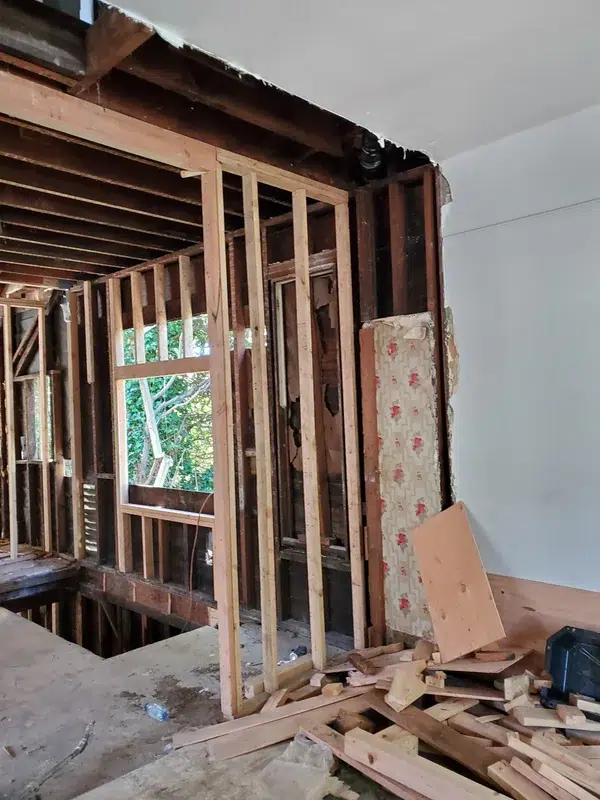
Home projects need a residential general contractor familiar with housing codes, materials, and inspection cycles tailored for private dwellings. Best practices start with transparent budgeting, code-compliant drawings, and licensed trades. Unlike commercial jobs, residential contractors balance livability and long-term durability, following residential-specific structural and energy codes. Residential construction is governed by building codes that every contractor must follow to pass inspection. Key standards include:
- 2025 International Residential Code (IRC) – Defines design load, fire separation, and electrical spacing for single and multi-family dwellings. Consequences: structural failure, electrical hazards, failed permits.
- 2025 International Energy Conservation Code (IECC) – Requires proper insulation, efficient HVAC installation, and verified blower-door testing. Consequences: higher energy bills, warranty voidance, or missed tax credits.
- NFPA 70: National Electrical Code (2023) – Details grounded circuits, GFCI/AFCI zones, and safe wiring requirements. Consequences: shock hazards or electrical fires.
Side-by-side comparison: Commercial vs Residential General Contractor
The right contractor type depends on your building’s purpose, technical complexity, and regulatory landscape. Below is a comparison summarizing core distinctions in responsibilities, compliance, and project management:
From experience, selecting incorrectly can derail progress. A homeowner once hired a residential contractor for a café build – lack of ADA compliance led to redesigns and delayed opening by three months. To avoid this, match your project’s zoning and occupancy type with the appropriate license. Typical commercial remodels might last 5 – 9 months, while residential renovations typically run 2 – 5 months depending on materials and permit response times. Cost drivers include site access, finish level, and mechanical scope. For additional insight on residential upgrades, explore our home remodeling contractor resources or custom home remodeling services section. These figures are preliminary benchmarks for informational purposes only and do not constitute a binding quote. An on-site evaluation is required for a final proposal.
| Criteria | Commercial Contractor | Residential Contractor |
|---|---|---|
| Primary Codes | International Building Code (IBC) | International Residential Code (IRC) |
| Project Type | Office, Retail, Industrial | Single & Multi-family Homes |
| Scheduling | Structured Gantt-based coordination | Flexible, client-oriented timeline |
| Material Systems | Steel frames, VRF HVAC, commercial-grade finishes | Timber framing, standard HVAC, home finishes |
| Compliance Risk | Fire, Accessibility, Structural Codes | Safety, Energy, Electrical Codes |
| Cost Range | $200 – $600/sq ft | $150 – $400/sq ft |
Not Sure Which Contractor You Need?
If you are ready to bring your vision to life, now is the perfect time to contact LB Construction & Remodeling. Our expert team provides the professional insight and hands-on support needed to move your residential or commercial project forward with complete confidence. We take care of permits, codes, and coordination so every detail runs smoothly and efficiently. When you work with us, you gain a dedicated partner who prioritizes quality craftsmanship, clear communication, and on-time results. Do not delay your project or risk costly mistakes by waiting. Call LB Construction & Remodeling today for your free, no-obligation consultation and discover how easy it can be to start building or transforming your space right now.
FAQs
What’s the main difference between a commercial and residential general contractor?
Commercial contractors are responsible for overseeing the construction, renovation, and large-scale improvements of business and public-use buildings such as offices, retail centers, schools, healthcare facilities, and manufacturing plants. Their work is guided by the International Building Code and involves strict adherence to local regulations addressing safety, accessibility, energy efficiency, and structural integrity. These professionals coordinate complex systems including electrical networks, HVAC installations, fire suppression components, and ADA compliance features. Residential contractors, in contrast, specialize in building or remodeling homes, duplexes, and smaller multi-family residences under the International Residential Code. Their focus is on creating functional, comfortable, and aesthetically pleasing living environments through expert framing, roofing, insulation, and interior finishing. Selecting the correct contractor type for your project is essential. Using a residential contractor for a commercial site often leads to permit denials and compliance problems, while hiring a commercial team for a small residence can result in unnecessary expenses and design complications. Ensuring the contractor matches your building classification helps maintain safety, control costs, and achieve a successful outcome from the very beginning.
When should I hire a commercial general contractor instead of a residential one?
When your construction project involves any form of business operation or public entry – such as offices, restaurants, bars, retail shops, medical clinics, or other facilities that must comply with accessibility and safety codes – hiring a qualified commercial general contractor is essential. These professionals are familiar with complex permitting, ADA compliance measures, and fire-rated construction materials. They also understand structural load requirements and ensure that all designs meet the International Building Code as well as local municipal regulations. In addition, they coordinate multiple trades like electrical, HVAC, plumbing, and fire suppression systems while maintaining tight schedules and inspection timelines. Conversely, for private homes, room additions, or remodeling projects, a residential builder focuses on design cohesion, comfort, and spatial flow. Their expertise in residential systems makes them ideal for smaller-scale, detail-oriented work that enhances livability and aesthetic appeal.
How much do commercial and residential projects typically cost?
Commercial construction projects typically range from approximately $200 to $600 per square foot, depending on the intended use of the building, the quality of materials selected, and the complexity of the mechanical, electrical, and plumbing systems. Specialized facilities such as restaurants, laboratories, or medical offices often fall on the higher end of this range because of their specific equipment and compliance requirements. Residential renovations, on the other hand, usually range between $150 and $400 per square foot, influenced by the extent of structural changes, chosen design elements, and overall finish quality. Three major cost drivers consistently influence pricing: site accessibility, material selection, and total scope of work. Challenging sites can increase labor time and delivery costs, while premium materials or extensive customization add coordination demands. These figures serve as preliminary benchmarks only and do not represent a binding quote. A comprehensive on-site evaluation and consultation are required to establish a precise, project-specific cost proposal.
Is it ever okay to manage the project myself instead of hiring a general contractor?
Taking on a construction project by yourself can seem appealing, especially for small or cosmetic improvements such as painting, installing new flooring, or updating finishes. These limited-scope projects usually pose minimal risk if you have basic tools and patience. However, once a project involves structural modifications, alterable walls, plumbing lines, or electrical systems, the situation changes dramatically. Licensed general contractors manage these complex details by coordinating with specialized trades, acquiring the proper permits, and ensuring inspections meet building code requirements. Without this professional oversight, homeowners may unknowingly create safety hazards or fail mandatory inspections, which can halt progress and increase overall costs. I have encountered many homeowners who attempted additions or structural changes alone and later had to rebuild portions of framing because crucial load-bearing calculations were overlooked. When utilities or multiple subcontractors are involved, hiring a qualified general contractor offers reliability, accountability, and long-term peace of mind. DIY improvements are best reserved for simple, non-structural updates, while professional supervision ensures compliance, safety, and quality outcomes for every regulated or technically demanding construction project.
What are warning signs that my contractor may not be qualified?
Red flags in selecting a contractor often appear early in the process, so it is important to recognize them before entering into any agreement. Signs include missing or invalid license numbers on proposals, expired or nonexistent insurance coverage, and vague or inconsistent project estimates that make it difficult to confirm what is included in the work. A legitimate contractor should provide a transparent timeline, a detailed scope of work, and clear references to the applicable building codes to ensure full compliance. Be cautious of anyone who discourages permits or recommends cash-only payments – such actions can compromise both your inspection approvals and your warranty protections. Homeowners should always verify a contractor’s license through the appropriate state board and ask for references from at least two or three recent clients. For residential projects, make sure the contractor is knowledgeable about the International Residential Code, which governs construction safety, energy efficiency, and structural standards. In commercial projects, competence in the International Building Code and the Americans with Disabilities Act requirements is essential. Even one overlooked code provision can lead to costly corrections, delays, or failed inspections. Always check credentials and documentation thoroughly before signing any construction or remodeling contract.
What problems happen when you hire the wrong type of contractor?
Hiring the wrong contractor type can cause a cascade of costly and time-consuming problems that ripple through every stage of a project. A residential contractor who takes on a commercial build might overlook requirements such as ADA accessibility clearances, sprinkler system design, or fire-rated assemblies. These gaps can easily lead to failed inspections, stop-work orders, and expensive corrections. On the other hand, a commercial contractor hired for a private home remodel may bring in structural systems or industrial-grade materials that are unnecessary for a residential environment. This often drives up costs, complicates utility layouts, and reduces available living space. I once consulted on a project where metal framing had to be torn out because it did not meet residential insulation standards. The repair consumed weeks and thousands in additional labor. Selecting the correct contractor ensures proper permits, compliance, and long-term project efficiency.
What should I look for when choosing a general contractor?
Ask for an active state license and valid insurance proof, but take the time to go deeper. Request detailed examples of similar completed projects and ask to see documentation of passed inspections or final approvals. A reputable contractor should willingly provide these materials and explain the processes behind them. Professional contractors also present clear written outlines of project phases, expected timelines, payment schedules, and safety or hazard prevention plans. During the selection process, discuss which building codes they follow, such as the International Residential Code for home renovations or the International Building Code for commercial structures. A trustworthy contractor will guide you through permit requirements, inspection coordination, and subcontractor management rather than rushing you to sign a contract. Whenever possible, visit their active job sites to observe cleanliness, crew communication, and materials handling. These firsthand observations typically reveal organization levels and quality control habits far more reliably than staged portfolio photos. Taking these extra steps not only protects your investment but also builds confidence that your contractor maintains professionalism and accountability throughout every project stage.
What if I’m unsure whether my project qualifies as residential or commercial?
Begin by clearly determining how the structure will be used on a daily basis. The intended function of the space has a direct impact on which building codes and guidelines apply. If the building is meant for any type of business activity, even if it operates from a renovated portion of a private home, it will most likely be designated as a commercial space. In that case, it must follow both the International Building Code and the accessibility provisions required by the Americans with Disabilities Act. If the property will serve as a residence – whether for living, renting, or family occupancy – it must meet the standards outlined in the International Residential Code. Always verify local zoning classifications, occupancy listings, and jurisdictional requirements to confirm how your project is categorized. When you encounter unclear permit descriptions or conflicting notes from inspectors, it is wise to pause the process and seek clarification before any construction work starts. A licensed contractor can help interpret the zoning language, explain the applicable codes, and determine which standards your project must meet. To ensure a smooth approval process, you can also arrange a no-obligation consultation with LB Construction & Remodeling. Their specialists can review your situation, explain compliance options, and guide you toward the correct documentation and procedural steps before significant resources are committed to design or structural work.