
Cost of Home Remodeling in San Leandro (2026 Pricing Guide)
February 24, 2026
- By
- Liran Biton
- CEO
Most homeowners believe remodeling costs are simply about square footage and finishes. I’m Liran Biton, CEO of LB Construction & Remodeling, and after years of experience leading complex residential projects, I can tell you the real cost of home remodeling in San Leandro depends far more on planning, structural conditions, and code compliance than on tile selections alone. I’ve seen two homes of the same size differ by six figures because one required foundation correction and a full electrical upgrade. The biggest mistake I see is underestimating what’s behind the walls. One homeowner budgeted for cabinets and countertops but hadn’t accounted for outdated wiring that couldn’t pass inspection. The project paused for weeks. If you’re considering a full renovation, understanding the real scope – like we outline in our custom home remodeling services overview – can prevent expensive surprises.
Why Compliance Is a Major Cost Factor
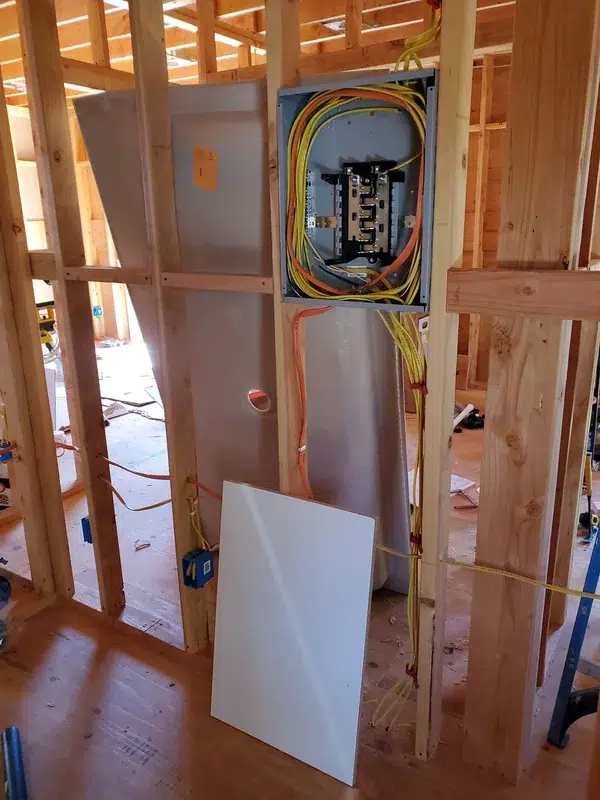
Every successful remodel starts with three non-negotiables: proper permits, code-compliant design, and documented inspections. These are not administrative formalities – they directly influence the cost of home remodeling in San Leandro because corrections after inspection failures are expensive.
- California Building Standards Code (Title 24, 2022 Edition) – Governs structural changes, fire safety, and occupancy requirements. Non-compliance can result in stop-work orders, fines, failed inspections, and insurance coverage disputes.
- 2022 Building Energy Efficiency Standards (Title 24, Part 6) – Requires energy calculations (CF1R documentation) for window replacements, HVAC upgrades, and major alterations. Failure can delay final sign-off and impact resale disclosures.
- California Electrical Code (2022) – Article 210 – Mandates AFCI and GFCI protection in specific residential areas. Violations create fire risks and automatic inspection failures.
What Homeowners Should Realistically Expect
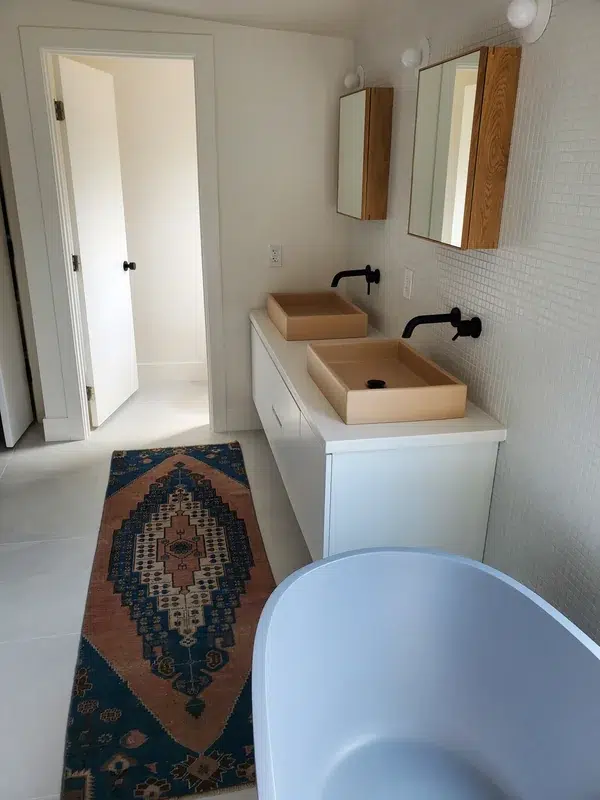
Strategic planning is the most powerful way to protect your investment and maximize local property value. In our area, well executed renovations consistently deliver strong resale returns, improved energy performance, and better day to day functionality. I guide homeowners to clearly define scope before selecting finishes because mid project changes are one of the fastest ways budgets increase. When we plan thoroughly from the start, projects move faster, inspections go smoother, and trade coordination stays efficient. Typical 2026 ranges I am seeing locally include:
- Kitchen remodel: $45,000 to $120,000+ depending on cabinetry selection, stone surfaces, appliance upgrades, and structural adjustments.
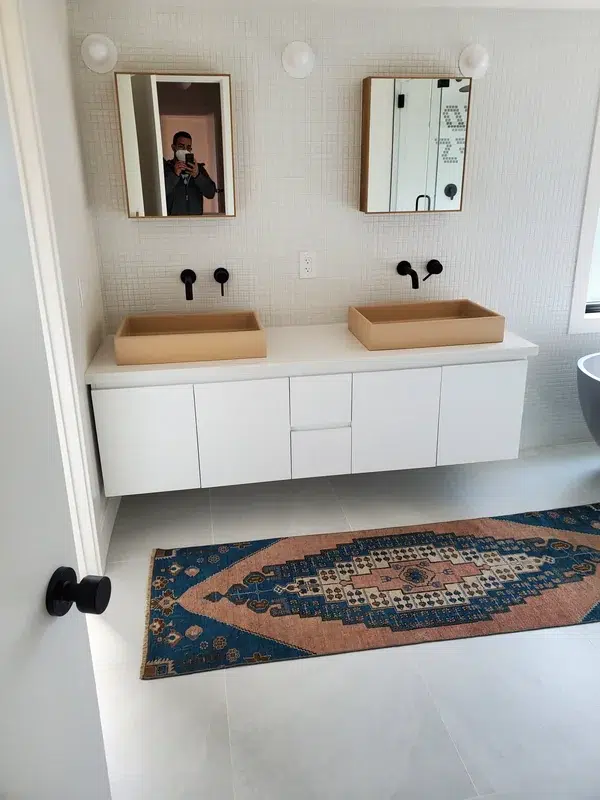
- Bathroom remodel: $25,000 to $60,000 based on tile complexity, plumbing relocation, and fixture quality.
- Whole home renovation: starting near $150 per square foot and exceeding $300 per square foot for premium finishes and layout reconfiguration.
- Kitchen: 8 – 12 weeks.
- Bathroom: 6 – 10 weeks.
- Full remodel: 4 – 8 months depending on scope.
Get a Clear Remodeling Cost Assessment
If you’re planning a renovation and want clarity before committing, we can help. At LB Construction & Remodeling, we provide structured consultations that review your scope, evaluate structural and mechanical conditions, and outline realistic budget ranges before construction begins. Our team coordinates permits, engineering, and inspections so your investment is protected from costly surprises. We focus on detailed planning, transparent pricing discussions, and code-compliant execution from day one. Whether you’re remodeling a kitchen, updating bathrooms, or planning a whole-home transformation, we’ll give you a practical roadmap tailored to your goals and property condition. Schedule a consultation and get a professional assessment you can rely on.
FAQs
What is the average cost of home remodeling in San Leandro in 2026?
The cost of home remodeling in San Leandro in 2026 varies widely depending on the size, complexity, and goals of the project. A focused kitchen remodel may begin in the mid five figures, especially if the existing layout remains intact. In contrast, a full home renovation that includes structural modifications, system upgrades, and high end finishes can easily reach several hundred thousand dollars. Pricing differences are often driven by structural changes, mechanical improvements, and the overall quality of materials selected. Older homes in San Leandro frequently require foundational updates before cosmetic work can begin. Outdated electrical panels, galvanized plumbing, aging HVAC systems, or foundation settlement can significantly increase the total investment. Addressing these issues early ensures the home is safe, efficient, and compliant with current building codes. I always recommend starting with a comprehensive site walk to assess framing conditions, load bearing walls, insulation, and system capacity. Remodeling is not just about visual upgrades. It is about improving functionality, safety, and long term performance. Accurate budgeting requires reviewing plans, understanding permit requirements, and aligning finish selections with realistic construction costs.
Why do remodeling estimates vary so much between contractors?
Estimates often vary because each contractor defines the project scope differently. One proposal may include permit fees, architectural or structural engineering, debris hauling, material delivery, site protection, and inspection coordination, while another may exclude some or all of those items to present a more competitive number. I have reviewed proposals where essential components such as waterproofing membranes, proper subfloor preparation and leveling, ventilation upgrades, or code required GFCI and AFCI electrical protection were not clearly itemized. These omissions frequently lead to change orders and unexpected costs once construction is underway. Labor quality is another major factor. Licensed and insured trades who follow documented safety and building code standards typically charge more, but they significantly reduce liability and long term risk. When comparing bids, verify whether structural calculations, energy compliance documentation such as Title 24, and potential inspection corrections are included. A transparent, detailed line item proposal usually reflects an organized and professional process. If one estimate is dramatically lower than the rest, carefully ask what has been excluded rather than assuming you have found a bargain.
How long does a full home remodel usually take and what affects the price?
A full home remodel typically takes between four and eight months, depending on the overall scope of work, design complexity, and local permitting timelines. Larger projects that involve structural changes or whole home reconfigurations often require additional planning, engineering review, and municipal approvals. Kitchen renovations generally take about 8 – 12 weeks once permits are secured and materials are ordered. Bathroom remodels often require 6 – 10 weeks after approvals, particularly when plumbing or layout modifications are involved. Project costs vary based on site conditions, material selections, and the total extent of work. Structural wall removal, foundation reinforcement, roof modifications, or electrical panel upgrades can significantly increase labor hours and inspection requirements. Premium finishes such as custom cabinetry, natural stone countertops, hardwood flooring, and high efficiency HVAC systems also raise the overall investment. In addition, supply chain fluctuations may impact lead times for windows, cabinetry, tile, and specialty fixtures. Mid project design revisions or scope changes frequently extend both timelines and budgets. All timelines and pricing ranges are preliminary estimates provided for informational purposes only. A detailed on site evaluation is necessary to prepare a final, accurate proposal.
Can I manage a remodel myself to save money?
Managing your own remodel can work for small scale cosmetic upgrades such as interior painting, replacing cabinet hardware, updating light fixtures, or installing new faucets. These projects typically do not require permits or complex coordination, and many homeowners can complete them successfully with careful planning. However, once your project involves relocating plumbing lines, modifying structural framing, upgrading electrical panels, or removing load bearing walls, professional oversight becomes essential. Building departments require permits and scheduled inspections, and each phase must be completed in the proper order to pass approval. Many homeowners who act as owner builders underestimate how much coordination is required between trades. Plumbers, electricians, framers, and inspectors must follow a specific sequence. If rough plumbing or electrical inspections fail, finished walls may need to be opened again, which increases both cost and timeline. Licensed contractors carry insurance, understand local building codes, and know how to manage inspection schedules efficiently. They also coordinate with structural engineers when necessary. If you decide to oversee part of the remodel yourself, limit your role to clearly defined cosmetic tasks and rely on qualified professionals for structural, mechanical, and permit related work.
What warning signs indicate a remodel may cost more than expected?
Warning signs often appear long before demolition begins, and recognizing them early can prevent costly surprises. Uneven or sloping floors may indicate subfloor deterioration, failing support beams, or foundation settlement. Cracks in walls or ceilings can point to structural movement that requires further evaluation. Flickering lights, warm outlets, or frequently tripped breakers often signal outdated wiring that may not meet current electrical code or handle modern appliance loads. Low water pressure, discolored water, or slow drains sometimes reveal corroded galvanized pipes or partial blockages in aging supply lines. During the planning phase, I actively look for these red flags because they directly affect project scope, budget, and timeline. Once walls and ceilings are opened, hidden damage such as dry rot, termite activity, mold growth, or non compliant framing can surface. Addressing these concerns early through professional inspections and limited exploratory openings reduces financial risk and scheduling delays. Consistent maintenance, including roof inspections, proper drainage, and interior moisture control, helps prevent structural deterioration that can inflate remodeling costs. If your home has not been updated in decades, it is wise to anticipate that plumbing, electrical, and HVAC systems may require full modernization to meet safety standards and performance expectations.
What are the most common cost overruns in remodeling projects?
The most common budget overruns in residential construction stem from scope changes and unforeseen structural conditions discovered after work begins. Homeowners often start with standard materials and later decide to upgrade to premium finishes such as custom millwork, high end appliances, or specialty tile. While these upgrades enhance the final result, they can significantly increase overall costs and extend timelines. Structural discoveries are another major factor. Issues such as undersized beams, inadequate shear walls, aging plumbing lines, or outdated electrical panels frequently require engineering review and corrective work. These adjustments are necessary for safety and code compliance, but they add expense that was not always anticipated at the outset. Insufficient contingency planning also contributes to financial strain. For older homes in particular, I recommend setting aside 10-20% of the total project budget as a reserve for unexpected conditions. Material delivery delays can further compound costs by extending labor schedules and increasing project management time. The strongest defense against overruns is thorough preconstruction planning. Finalizing layouts, fixture locations, lighting plans, and finish selections before breaking ground minimizes mid-project revisions, reduces permit modifications, and keeps both budget and schedule under control.
What should I look for when hiring a remodeling contractor?
Verify that your contractor holds active licensing, proper insurance coverage, and provides a clearly defined contract scope before any work begins. In California, contractors must carry a valid CSLB license that matches the specific category of work being performed. Always confirm the license number through the official CSLB website to ensure it is current and in good standing. Request proof of general liability insurance to protect your property, along with workers’ compensation coverage to safeguard against liability for on-site injuries. Beyond credentials, review a portfolio of completed projects and ask for references from clients who completed similar permit-driven remodels. Experience with structural changes, inspections, and code compliance is very different from simple cosmetic updates. A reliable contractor should present a detailed written timeline, a payment schedule tied to clear milestones, and a documented process for required inspections. Strong communication is equally important. Weekly progress updates and a transparent change-order system help prevent disputes and budget surprises. Finally, clarify who will supervise the project daily. A dedicated project manager ensures consistent oversight, better coordination among trades, and higher overall quality control.
When should I schedule a professional consultation for remodeling?
Schedule a consultation as soon as you begin thinking about structural modifications, room additions, or major system upgrades. Even when there is no urgent damage, proactive planning is one of the most effective ways to protect your investment and control costs. Warning signs such as sagging ceilings, cracked drywall, outdated electrical panels, inconsistent water pressure, or recurring plumbing leaks should be evaluated before you move forward with cosmetic improvements. Covering up underlying issues can lead to expensive repairs later. Begin with a thorough professional site evaluation. This assessment should include a review of the framing, foundation condition, roof structure, insulation, and all major mechanical systems such as electrical, plumbing, and HVAC. If original construction drawings or renovation plans are available, gather them in advance to streamline the review process. Avoid signing contracts for materials, custom cabinetry, or specialty fixtures until measurements are verified and permit requirements are confirmed. Early coordination between designers, contractors, and inspectors ensures realistic budgeting, accurate timelines, and fewer costly revisions as the project progresses.