
General Contractor vs DIY: Which Option Saves You More?
February 3, 2026
- By
- Liran Biton
- CEO
I’m Liran Biton, CEO at LB Construction & Remodeling, and after years of experience managing residential projects, I keep hearing the same question from homeowners: will doing it myself actually save money, or am I better off hiring a professional? I’ve watched well-intentioned DIY projects spiral into expensive corrections – failed inspections, torn-out work, and insurance claims denied because permits were skipped. One homeowner tried to self-manage a kitchen remodel, only to discover the electrical rough-in didn’t meet code, forcing a full redo. Situations like that are why many clients eventually call a professional general contractor to clean up what started as a cost-saving plan.
What the Building Codes Expect - Regardless of Who Does the Work
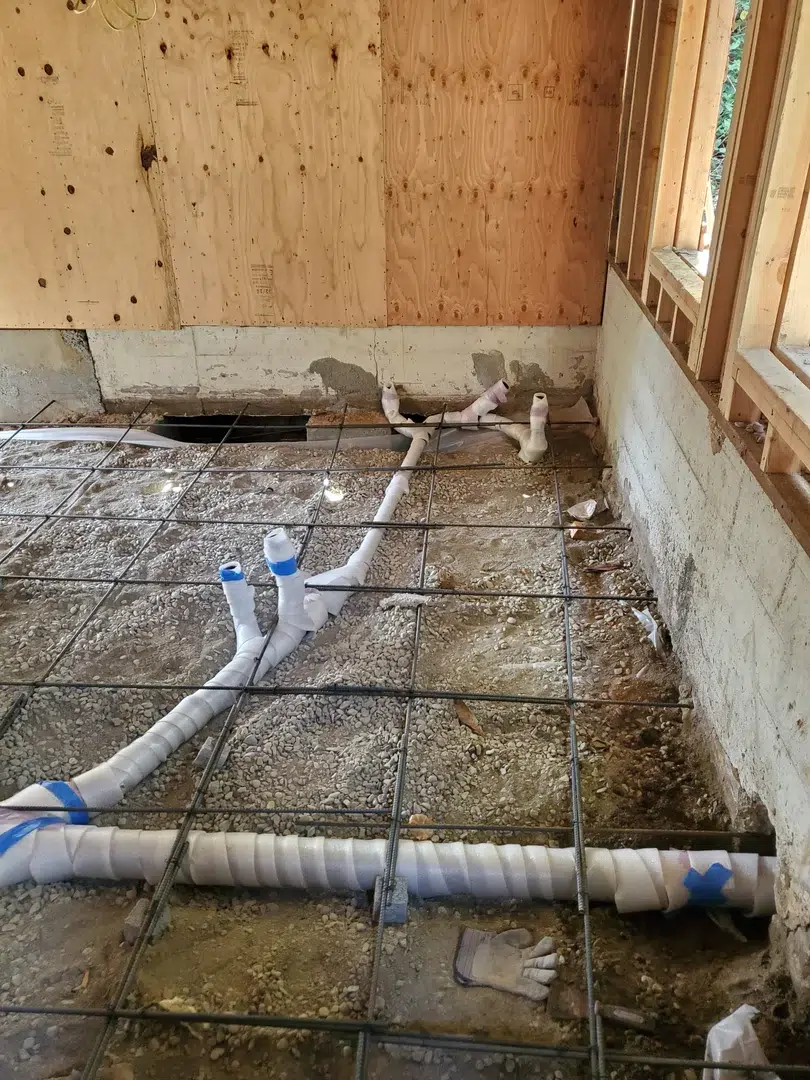
Whether you hire a professional or take on work yourself, the building department holds the project to the same standards. Best practice starts with permits, documented inspections, and following manufacturer installation guidelines exactly as written. Skipping these steps exposes homeowners to failed inspections, fines, and insurance disputes.
- International Residential Code (IRC) 2024 – Section R105 – Requires permits for most structural, electrical, plumbing, and mechanical work. Ignoring this can lead to stop-work orders, fines, and forced demolition of unapproved construction.
- International Residential Code (IRC) 2024 – Chapter 3 – Governs structural integrity, including floor loading and framing spans. Non-compliance risks structural failure and voided insurance coverage.
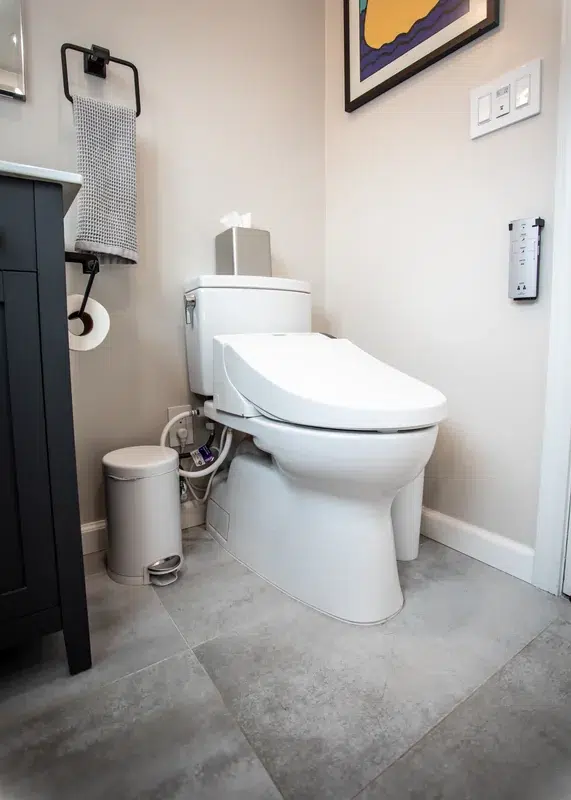
How to Decide Which Path Fits Your Project
The smartest decision comes from matching project complexity to your skill set and risk tolerance. Simple cosmetic work – painting, trim, or fixture swaps – can make sense for DIY. Once structural, mechanical, or multi-trade coordination is involved, risk rises fast. I remember a homeowner who tried to self-manage a bathroom remodel; delays between plumbing and tile trades stretched a three-week plan into three months. From my experience, here’s a practical framework:
- DIY fits when: no permits are required, manufacturer instructions are straightforward, and mistakes won’t affect safety or warranties.
- Hire a contractor when: permits, inspections, or load-bearing changes are involved, or when multiple trades must work in sequence.
Get Clarity Before You Commit
If you are deciding between DIY and professional construction, the right guidance now can prevent costly mistakes later. At LB Construction & Remodeling, we deliver a clear, honest assessment of scope, risk, schedule, and real costs before work begins. You gain peace of mind, code compliant work, and protection through permits, inspections, and warranties. When projects involve multiple trades, structural changes, or firm deadlines, expert management saves time and money. Do not wait until problems appear. Contact LB Construction & Remodeling today for a fast consultation and a confident plan that protects your home, budget, and timeline. Your project deserves a proven contractor, not guesswork.
FAQs
Will hiring a general contractor really save me money?
It can, depending on project complexity and the risks involved. While contractor fees add upfront cost, they often prevent far more expensive problems later, such as failed inspections, code violations, and warranty disputes. I have seen homeowners try to save money with DIY work, only to spend significantly more fixing errors that could have been avoided. Experienced contractors coordinate trades, order the correct materials the first time, and schedule each phase of work efficiently to avoid delays. They also understand local building codes and inspection requirements, which reduces the chance of costly redos. When a project involves structural changes, electrical systems, or plumbing, these safeguards usually outweigh the contractor fee. In many cases, professional oversight protects both the budget and the long term value of the home.
How do I know if my project is too complex for DIY?
When a project requires permits, formal inspections, or coordination between more than one trade, the level of complexity rises fast. Tasks such as load-bearing wall modifications, electrical panel upgrades, and plumbing reroutes often mark the point where a straightforward job becomes a managed process. These steps introduce rules, documentation, and sequencing that cannot be ignored. Inspectors have timelines, materials have lead times, and trades must work in a specific order to avoid rework or safety issues. In my experience, the moment one trade depends on another finishing first, the true challenge shifts away from hands-on ability. DIY scheduling, communication, and contingency planning become the biggest risk factors. Delays compound quickly, mistakes are harder to correct, and small missteps can stall an entire project or trigger costly corrections.
What does a general contractor typically cost?
General Contractor fees commonly begin in the range of 10 – 20% of the total project cost, although this percentage can vary based on multiple factors. Pricing is influenced by site conditions, overall project complexity, material availability, scheduling demands, and the level of coordination required among subcontractors. Projects that involve specialized trades, strict timelines, or advanced technical requirements often warrant higher oversight and management involvement, which can affect the final cost structure. It is important to understand that these figures are provided strictly as general benchmarks to support early planning and budgeting discussions. They are not intended to represent a fixed or guaranteed price. A comprehensive on-site evaluation, along with a detailed review of plans and expectations, is necessary before a precise and customized proposal can be developed and presented.
When is DIY actually a good idea?
DIY projects are best suited for non permitted, low risk improvements that do not affect structural integrity, safety systems, or code compliance. Common examples include interior painting, basic trim work, simple fixture swaps, flooring replacement when the subfloor remains untouched, and cabinetry installation completed according to manufacturer specifications. These tasks allow homeowners to save money, work at their own pace, and gain hands on experience without introducing significant hazards. However, once a project involves electrical wiring, plumbing modifications, load bearing changes, or any work that requires inspection or permits, professional oversight becomes essential. Licensed contractors understand local codes, proper installation methods, and safety requirements. Their involvement reduces the risk of costly mistakes, failed inspections, property damage, or personal injury, and often protects long term property value.
What are warning signs a DIY project is going wrong?
Repeated failed inspections, materials that do not fit as planned, or trades that refuse to work on previous installations are clear warning signs that something is wrong. These issues often point to poor planning, incorrect specifications, or substandard workmanship that can compound over time. Moisture intrusion, uneven floors, sticking doors, or breakers that trip frequently suggest deeper problems behind the walls or under the flooring that should be addressed immediately. Ignoring these symptoms can lead to escalating repair costs, safety hazards, and delays that disrupt schedules. When professionals hesitate to take responsibility for earlier work, it often indicates code compliance concerns or liability risks. Early intervention allows qualified experts to diagnose root causes, correct installation errors, and restore confidence in the project. Addressing problems promptly protects the structure, preserves value, and helps ensure long term performance and safety.
What problems do contractors most often fix from DIY work?
Common issues include improper framing spans, incorrect electrical grounding, and missing vapor barriers, all of which can compromise a project far beyond surface appearance. These problems are not cosmetic flaws that can be ignored or postponed. Improper framing spans can lead to sagging floors, cracked finishes, and long term structural stress that worsens over time. Incorrect electrical grounding increases the risk of shock, equipment damage, and fire hazards, placing occupants and property in danger. Missing or poorly installed vapor barriers allow moisture intrusion, which can cause mold growth, rot, and reduced insulation performance. Together, these deficiencies affect overall safety, durability, and compliance with building codes. They can also trigger failed inspections, higher repair costs, and denied insurance claims. Addressing these issues early is essential for protecting both the structure and the people who rely on it.
What should I look for when hiring a contractor?
Before committing to any contractor, take time to verify proper licensing and active insurance coverage that meets local and project specific requirements. Confirm that the company has direct experience with projects similar in scope, size, and complexity to yours, and ask for recent references you can actually contact. Discuss how inspections are scheduled and managed, including who is responsible for coordinating with inspectors and addressing any issues that arise. Warranties should be clearly explained, covering both materials and workmanship, with written terms that outline duration and limitations. A clear, detailed contract is essential and should define scope, costs, payment milestones, and change procedures. Documented schedules are non-negotiable, as they set expectations, support accountability, and help prevent costly delays or misunderstandings.
Is this an emergency if something goes wrong?
Most issues are not immediate emergencies, but certain problems demand prompt attention to prevent serious damage and safety risks. Water leaks can quickly lead to mold growth, weakened materials, and costly repairs if they are ignored. Electrical faults may increase the risk of fire or equipment failure, especially when outlets, wiring, or panels show signs of overheating or malfunction. Structural movement, such as new cracks, shifting floors, or doors that no longer close properly, can indicate deeper concerns that worsen over time. When any of these conditions appear, shut off the affected systems as soon as it is safe to do so. Taking early action helps limit further damage and protects occupants. Schedule a professional evaluation promptly to identify the root cause, confirm the severity, and plan effective repairs before the situation escalates.