
How Much Does a Kitchen Remodel Cost in Fremont?
April 2, 2026
- By
- LB Construction
- Remodeling Contractor
At LB Construction, we’ve been helping homeowners understand How Much Does a Kitchen Remodel Cost in Fremont? for years of experience, and we often get the same call: “Why is my estimate so much higher than I expected?” In many Fremont homes, especially older properties with original wiring or plumbing, the visible upgrades are only part of the story. Structural corrections, panel upgrades, and seismic improvements often drive costs. One homeowner we met had budgeted for cabinets and countertops only. Once we opened the walls, we discovered outdated aluminum branch wiring that required replacement to pass inspection. Situations like this are why reviewing realistic benchmarks – such as our kitchen remodeling cost 2025 guide – matters before setting your budget.
What Local Regulations Add to Kitchen Remodel Costs
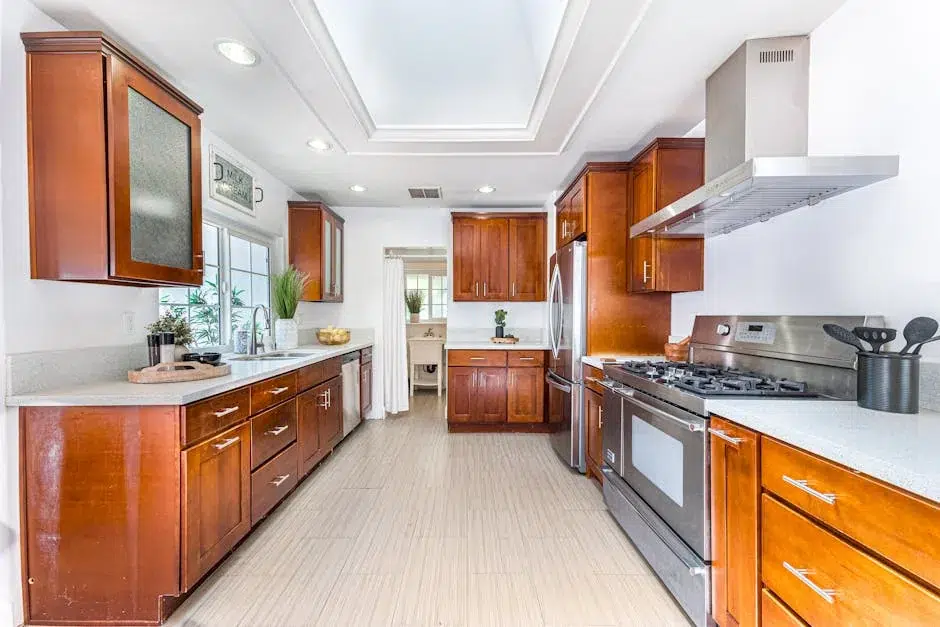
Fremont sits in a high seismic zone near major fault lines, and the city enforces California’s building standards rigorously. Kitchen remodels that involve electrical, plumbing, or structural changes require permits and inspections. Inspectors regularly flag unpermitted work, which can delay resale and trigger correction notices.
- 2022 California Building Standards Code – Title 24 (CBC) – Governs structural modifications, seismic bracing, and load-bearing wall changes. Non-compliance can result in failed inspections and costly rework before occupancy approval.
- 2022 California Electrical Code (CEC) – Requires GFCI and AFCI protection in kitchens, proper circuit sizing, and dedicated appliance circuits. Violations pose fire risks and will not pass final inspection.
- 2022 California Energy Code (Title 24, Part 6) – Mandates high-efficacy lighting and energy-compliant appliances. Non-compliance can trigger correction notices and documentation delays.
- City of Fremont Building & Safety Permit Requirements – Requires permits for kitchen remodels involving electrical, plumbing, or structural changes. Unpermitted work may lead to fines and mandatory demolition to expose concealed work.
What Influences Your Final Investment
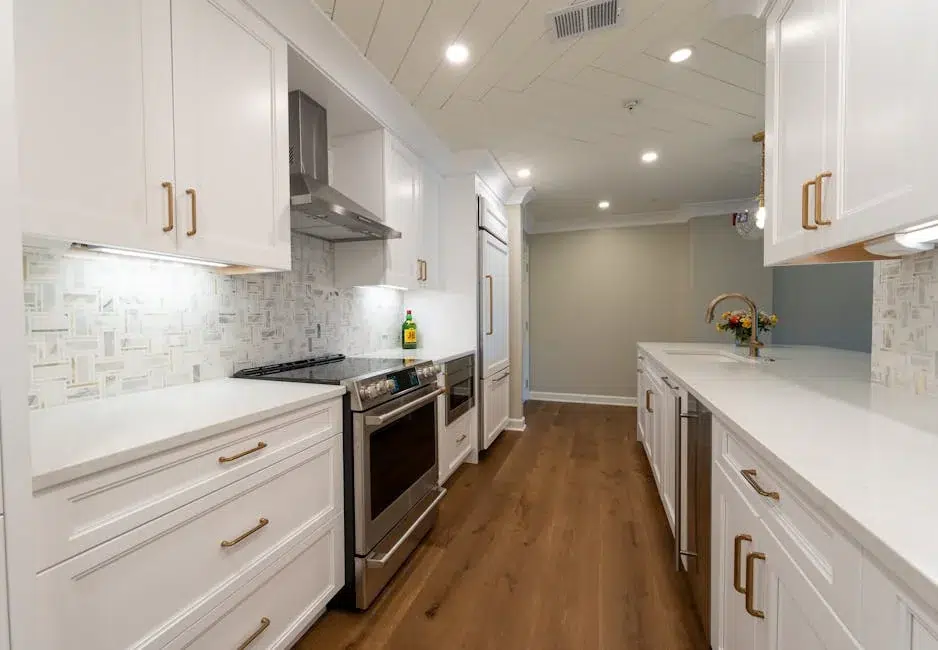
In our experience, a kitchen remodel in Fremont may range from $45,000 for a focused upgrade to $120,000 or more for a high-end transformation with structural changes. The timeline typically falls between 8 and 14 weeks, depending on inspections and material lead times. Three primary variables influence cost:
- Site complexity: Older homes may require seismic bracing, subpanel upgrades, or plumbing reroutes.
- Material costs: Custom cabinetry, natural stone slabs, and premium appliances can significantly raise totals.
- Total scope: Moving walls, adding windows, or reconfiguring layouts increases labor and engineering fees.
Schedule a Detailed Kitchen Cost Assessment
If you’re planning a remodel and want clarity before committing, we’re ready to help. Our team evaluates layout changes, electrical capacity, plumbing conditions, and code requirements specific to Fremont homes. We provide transparent budget ranges, explain where contingencies may apply, and outline realistic timelines. Instead of guessing, you’ll have a structured plan that aligns design goals with structural realities. A thorough on-site assessment is the fastest way to prevent budget surprises and inspection delays. Let’s review your space and build a remodel strategy that protects your investment from day one.
FAQs
What is the average cost of a kitchen remodel in Fremont?
In Fremont, kitchen remodel costs often reflect both design goals and code-driven upgrades. Many projects fall between $45,000 and $120,000, depending on scope. Cosmetic updates with stock cabinets and minimal layout changes typically land at the lower end. Full renovations involving custom cabinetry, stone countertops, structural beam installation, or electrical panel upgrades trend higher. Homes built decades ago may require wiring or plumbing updates to meet current California codes, which adds to the total. The most accurate way to determine your investment is through an on-site evaluation that identifies hidden conditions before demolition begins.
Why are kitchen remodels in Fremont more expensive than expected?
Unexpected costs usually come from hidden structural or mechanical issues. Once demolition begins, contractors may discover outdated aluminum wiring, insufficient circuits for modern appliances, or water-damaged subfloors. Fremont’s seismic requirements can also require additional bracing when removing walls. Permit fees, inspections, and Title 24 energy compliance documentation add administrative costs many homeowners don’t initially consider. Material lead times can also drive up pricing if expedited orders are needed. Careful pre-construction inspections – such as load calculations and plumbing camera scoping – reduce the likelihood of major budget shifts mid-project.
How long does a kitchen remodel take and what affects the price?
A typical kitchen remodel in Fremont may take 8 to 14 weeks from demolition to final inspection. The timeline can extend if structural engineering, custom cabinetry fabrication, or panel upgrades are required. Costs typically start around $45,000 and can exceed $120,000 depending on complexity. Three main variables influence pricing: site complexity, material costs, and total scope. Older homes with outdated wiring increase labor time. Premium appliances and natural stone elevate material budgets. Expanding the footprint or moving plumbing lines adds engineering and permit fees. These figures are preliminary benchmarks for informational purposes only and do not constitute a binding quote. An on-site evaluation is required for a final proposal.
Can I remodel my kitchen myself to save money?
Homeowners can handle limited cosmetic updates such as painting cabinets or replacing hardware. However, electrical, plumbing, and structural modifications require permits and licensed professionals in Fremont. Improperly installed GFCI outlets or undersized circuits create fire risks and will fail inspection. Removing a wall without confirming load paths can compromise seismic safety. DIY work that does not meet California code may require reopening walls for inspection, increasing overall costs. If your project involves appliance upgrades, layout changes, or panel modifications, professional oversight protects both safety and resale value.
What warning signs suggest my kitchen needs a full remodel?
Frequent breaker trips when using appliances, visible water damage under sinks, cracked tile from subfloor movement, or outdated two-prong outlets are strong indicators. Limited counter space and inefficient layouts also reduce functionality and resale appeal. In older Fremont homes, original wiring and plumbing often no longer support modern loads. If cabinets are separating from walls or floors feel soft near the dishwasher, moisture intrusion may be present. Addressing these issues early prevents structural deterioration and higher repair costs later.
Are there common remodeling challenges specific to Fremont homes?
Yes. Many Fremont properties were built decades ago and may not meet current seismic or electrical standards. Removing walls often requires engineered beams and updated shear bracing. Electrical panels may lack capacity for induction cooktops or double ovens. Title 24 energy standards require compliant lighting and documentation. Additionally, permit inspections in Fremont are thorough, and unpermitted work can delay resale transactions. Planning for these local factors during budgeting reduces inspection delays and unexpected structural expenses.
What should I look for when hiring a remodeling contractor?
Verify that the contractor holds an active California contractor license and carries liability insurance and workers’ compensation coverage. Ask about experience with Fremont permit processes and Title 24 documentation. Review detailed proposals that outline scope, materials, and contingency allowances. A reputable contractor should provide load calculations for electrical upgrades and coordinate inspections directly with the city. Clear communication, transparent change-order policies, and documented timelines help prevent disputes and budget overruns.
When should I schedule a professional assessment?
Schedule an assessment as soon as you begin planning layout changes or appliance upgrades. Early evaluations allow contractors to inspect framing, measure electrical loads, and verify plumbing routing before design decisions are finalized. If you notice breaker trips, water leaks, or cracked flooring, address those issues promptly to prevent escalation. While a kitchen remodel is not an emergency service, delaying evaluation can increase costs if hidden damage worsens. A proactive site visit provides clarity and protects your renovation budget.